



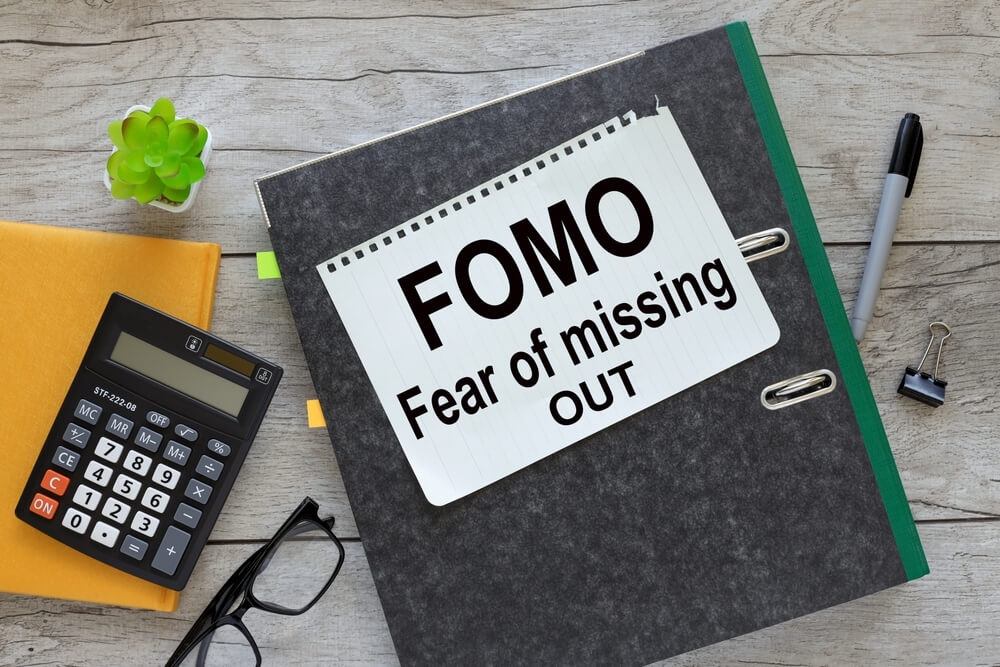
In the fast-moving world of financial markets, information flows nonstop, creating the illusion of endless opportunities. Amid this constant buzz, many traders fall into a psychological trap known as the fear of missing out, or FOMO.
This fear of missing a potentially profitable move or failing to enter a fast-growing asset often leads to emotional, impulsive, and poorly reasoned decisions. For traders, whether beginners or experienced professionals, FOMO can seriously damage a well-built trading strategy and cause significant financial losses. Understanding this phenomenon and learning how to manage it are essential steps toward long-term trading success.
Article content
Psychological Roots of Missing Out
The roots of FOMO lie deep in human psychology and are driven by several common cognitive biases.
- The first is the bandwagon effect, or herd instinct — the tendency to copy the actions of others who appear successful, without doing your own analysis. People naturally seek social validation for their decisions, and when it’s missing, they often feel uncertain or anxious.
- The second is envy and the desire to keep up with others. Social media and trading forums that highlight other traders’ “big wins” amplify this feeling, creating pressure to act quickly and not be left behind.
- The third is availability bias — when stories of rapid profits are easily remembered, while the many cases of losses are conveniently forgotten.
Together, these psychological factors create strong pressure that can push traders to break their own rules and act on emotion rather than logic.
How FOMO Manifests in Trading
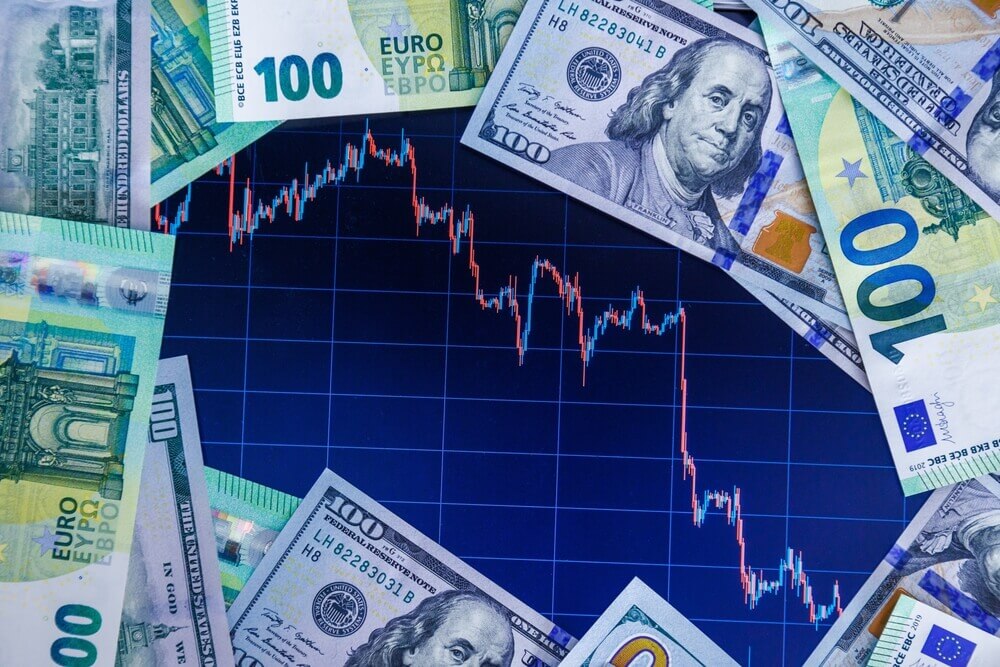
FOMO shows up in many ways — and it’s always harmful. One of the most common examples is entering a trade after an asset has already experienced significant growth, without any real analysis or reasoning. The trader sees prices rising fast and fears “missing the train,” buying near the peak, which often leads to losses when a correction follows.
Another typical sign of FOMO is closing a profitable trade too early out of fear of missing an even bigger opportunity elsewhere. Conversely, some traders hold on to losing positions too long, hoping for a reversal because “everyone else made money on it.” Ignoring stop-losses, increasing leverage beyond safe limits, and trading without confirmation signals are all symptoms of FOMO-driven behavior.
Destructive Impact on Strategy
A trading strategy is designed to guide decision-making and keep emotions under control. When FOMO takes over, that structure breaks down. Traders start breaking their own entry and exit rules, changing stop-loss or take-profit levels, or opening trades that aren’t part of the plan at all. This erodes discipline — the foundation of successful trading.
Once discipline is lost, results become unpredictable, proper performance analysis becomes impossible, and progress stalls. Over time, this leads to losses and, for many traders, disappointment or even burnout.

Tools to Combat FOMO
The first step to overcoming FOMO is recognizing it. Once you’re aware of it, you can apply proven methods to keep it under control.
- Start with a clear, well-tested trading plan that outlines your entry and exit rules, position size, and risk management strategy. Treat this plan as non-negotiable.
- Keep a trading journal — it helps you review your past decisions, identify when emotions took over, and learn from your mistakes.
- Strengthening your emotional control also plays a big role. Techniques such as mindfulness, meditation, or even simple breathing exercises can help reduce anxiety and improve focus.
- Finally, manage your information intake. Limit exposure to constant market news, social media, and other traders’ opinions. Focus on your own research and analysis — not on the noise around you.

Developing Discipline and Patience
The key to overcoming FOMO lies in discipline and patience. Discipline keeps you committed to your trading plan, even when the market seems full of opportunities you’re not taking. Patience helps you wait for setups that truly fit your strategy, instead of chasing every move.
Remember: the market will always create new opportunities. Not every “hot” trade needs to be yours. Successful traders know that missing a few trades is fine — but entering the wrong one can cause lasting damage. Focus on the process, not just on short-term results.
Your Path to Sustainable Success
Overcoming FOMO isn’t a one-time task — it’s an ongoing process of self-awareness and growth. It takes consistent self-reflection, discipline, and a willingness to learn. While you can’t control the market, you can control your reaction to it. By managing risk wisely, maintaining realistic expectations, and focusing on the long term rather than short-term excitement, you can build a stable, profitable trading career. Ultimately, lasting success in financial markets doesn’t come from reacting to every headline — it comes from making thoughtful, consistent, and well-informed decisions.