





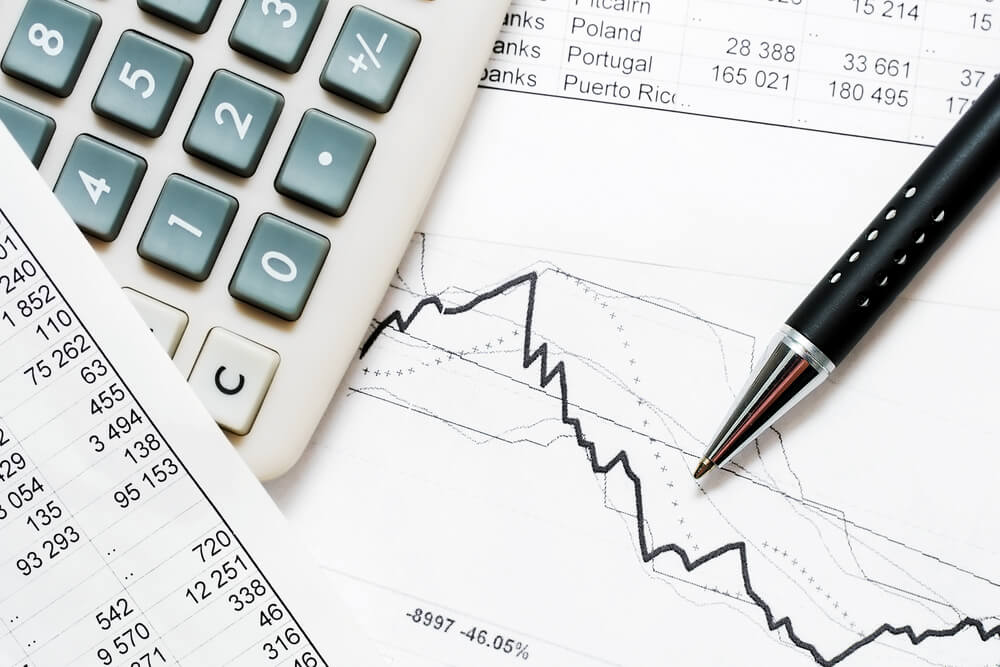
The global economy regularly goes through periods of major stress — from recessions and financial crashes to geopolitical conflicts and pandemics. These macroeconomic crises do not just affect individual sectors; they reshape the entire market environment and change how price discovery works. Understanding their nature and dynamics is crucial for every participant in the financial markets.
Beyond their direct economic impact, crises also have a powerful effect on trader psychology and market sentiment. For both novice and experienced traders, it is extremely important to recognise how external shocks can trigger emotional reactions that distort rational decision-making and intensify volatility in the markets.
Article content
How Economic Shocks Change the Market Landscape
During periods of macroeconomic crises, markets often behave in ways that deviate from “normal” conditions. Sharp swings in price and spikes in volatility become the norm. Investors tend to move into a risk-off mode, reallocating capital into more conservative or safe-haven assets, which can lead to a sharp decline in the prices of higher-risk instruments. Correlations between assets that usually move together may suddenly break down, making classic diversification strategies less effective. At the same time, fundamental analysis becomes more difficult, as forecasts grow unstable and analysts’ opinions seem less reliable.
Such changes require a trader not only to adapt but also to rethink basic assumptions about market efficiency and how quickly information is priced in. A trader must be prepared to operate in a regime of heightened uncertainty, where historical patterns and models may temporarily stop working as expected.

Psychological Traps in Turbulent Markets
Ultimately, macroeconomic crises become not only an economic challenge but also a serious psychological stress test for the trader. Fear of loss, one of the strongest emotional drivers, intensifies dramatically, pushing traders toward panic selling or, conversely, complete inaction due to fear of entering at the “wrong” level. The phenomenon of herd mentality — when traders follow the crowd instead of their own analysis — becomes especially visible. This is often accompanied by fear of missing out (FOMO) when markets move quickly.
Novice traders, lacking experience in navigating such periods, are particularly vulnerable to these influences. However, even seasoned market participants may encounter the same problems under pressure. Cognitive biases inherent to human thinking — such as confirmation bias or loss aversion — manifest most clearly during crises, making it especially difficult to maintain discipline, objectivity, and a rules-based trading approach.
Developing Resilient Strategies for Crisis Periods
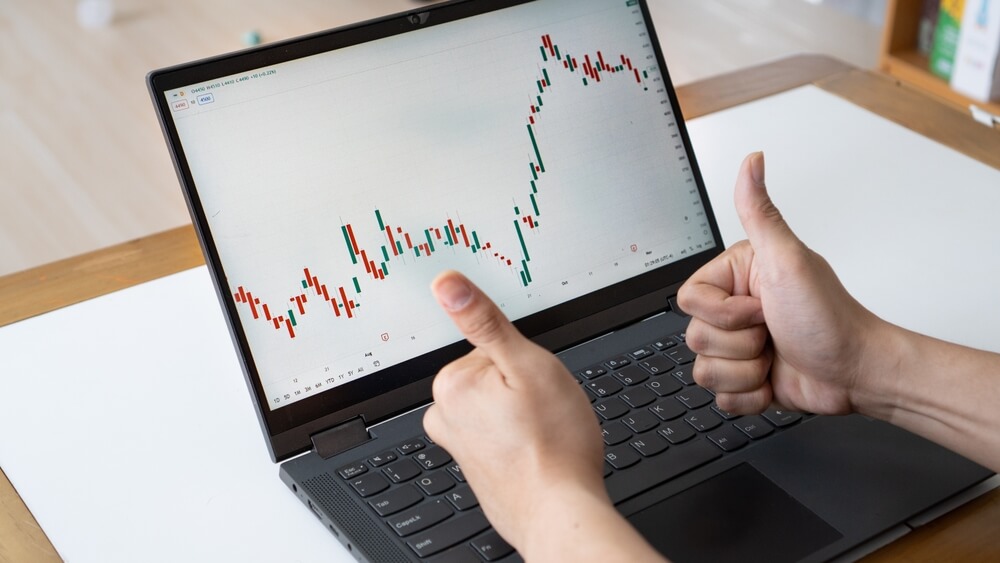
To successfully navigate the storm of macroeconomic turbulence, a trader must have a clear and reliable trading plan. First and foremost, this includes strict risk management: precise control of position sizing, setting clear stop-loss levels, and avoiding excessive use of leverage that can quickly lead to large drawdowns.
Portfolio diversification across different asset classes and various geographic and political regions becomes especially relevant in such conditions, as it helps mitigate concentration risk. In addition, it is important to maintain a “cash cushion”. This not only helps a trader withstand periods of turbulence and adverse price action but also provides flexibility to take advantage of new opportunities to buy undervalued assets when market sentiment stabilises.
The Importance of Continuous Learning and Analytical Thinking
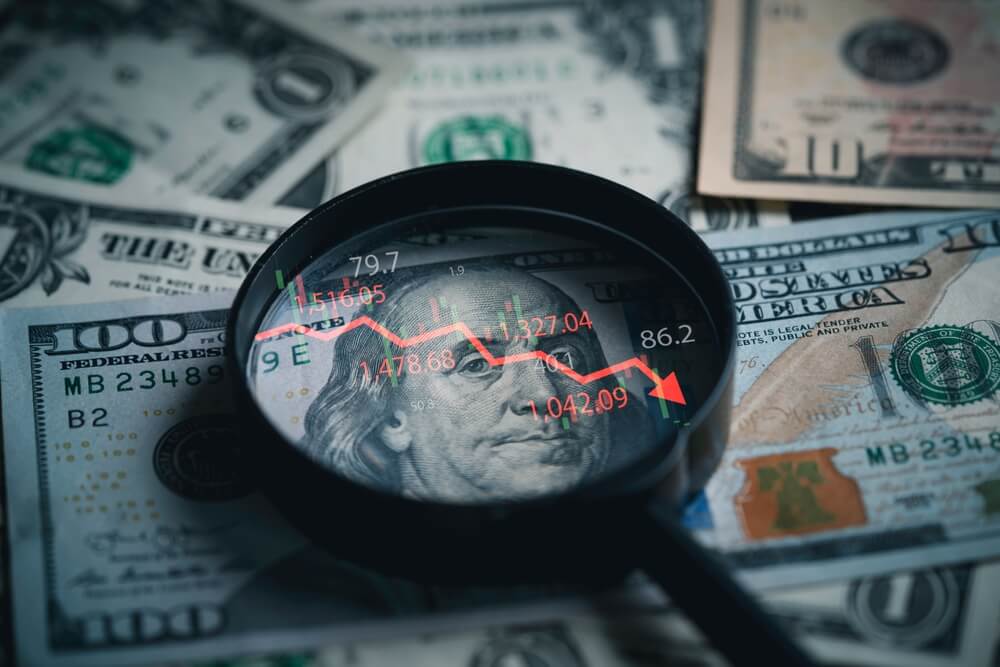
In a constantly changing market environment, continuous learning stops being merely desirable and becomes a prerequisite for survival and success. A solid understanding of key macroeconomic indicators — such as interest rates, inflation, GDP, and unemployment levels — together with awareness of central bank policies and major geopolitical events, enables traders not only to react to news but also to anticipate its possible impact on market pricing and volatility.
A critical approach to information, filtering out sensational headlines, and focusing on reliable data sources help to develop independent analytical thinking. Studying the history of past crises provides valuable lessons and reveals recurring patterns of market behaviour, helping traders build more effective strategies for current and future challenges. The ability to self-analyse, review trade logs, and adjust one’s trading methods based on accumulated experience also plays a vital role in long-term performance.
Your Path to Psychological Resilience
Macroeconomic crises are an integral part of the global financial system. Although they cannot be prevented, their negative impact on your trading activity can be minimised — and in many cases, transformed into an opportunity.
The key lies in developing psychological resilience, supported by strict discipline, sound risk management, and continuous self-education. Emotional control, the ability to remain calm amid panic, and critical thinking help traders avoid the most common behavioural pitfalls that destroy trading accounts.


