


Trading in financial markets demands a serious approach, especially when volatility surges. While novice traders may chase quick profits, seasoned traders understand the importance of consistent long-term gains. Thus, it’s crucial to maintain even and stable results, especially during periods of sharp volatility. In this article, we’ll explore what volatility is and how traders can protect themselves when market conditions become unpredictable.
Article content
Understanding Volatility
Volatility refers to the rate of change in an asset’s value over time. It’s a vital indicator that reflects the speed of price fluctuations. In low-volatility scenarios, price movements are gradual, whereas high volatility leads to abrupt and often erratic price swings.
Factors Influencing Volatility
Various factors can contribute to market instability. Some of the common ones include:
- Political upheavals
- Economic events
- Speeches by influential figures
It’s essential to recognize that market expectations, in addition to actual events, play a significant role in driving volatility. For instance, news of an unplanned Federal Reserve meeting scheduled for the next week can stir the market even before the event occurs. Thus, anticipated events can cause substantial price changes reflected in the charts.

Implications of Increased Volatility for Traders
Increased volatility presents both new risks and opportunities for traders. Profitability in trading hinges on the speed of price movements. However, consistent earnings are achievable only when market movements are predictable. Balancing these opportunities with risks requires traders to maintain control over the market, not vice versa. Consequently, strategies for trading in high volatility periods encompass elements of psychology, technical analysis, and fundamental analysis.
Psychology
Trading in any market, especially during times of heightened volatility, demands significant psychological discipline and unwavering self-control. The ability to manage emotions and actions becomes increasingly crucial as volatility rises. It’s essential to maintain objectivity and make decisions based on a clear understanding of the situation.
Managing emotions is a deeply personal journey for every trader. Whether it’s through meditation, engaging in physical activities like boxing, sipping on strong tea, or taking a long walk, finding what works best for you is key. What matters most is sticking to your chosen strategy instead of succumbing to panic and making impulsive decisions.
It’s important to remember that high volatility is typically temporary. The market tends to “work off” the stress it receives and eventually returns to normalcy. So, staying calm and composed during turbulent times can help traders navigate through volatility more effectively.
Technical Analysis
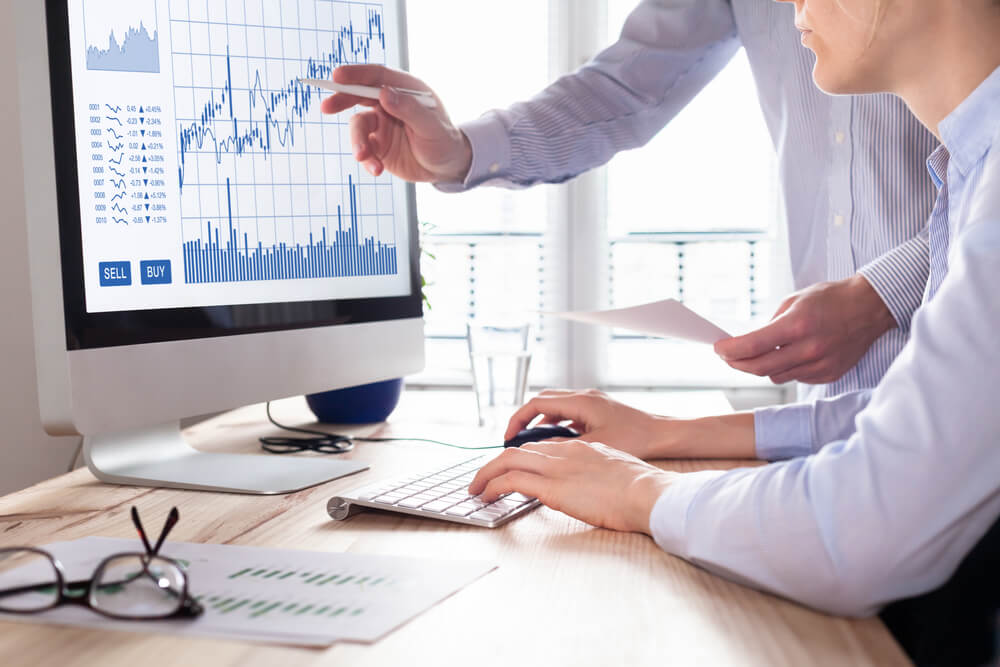
Using technical analysis serves two primary purposes during periods of high volatility. Firstly, it helps to instill a sense of calmness, positively impacting the trader’s psychological and emotional state. Secondly, it provides the ability to identify specific patterns amidst the apparent chaos of heightened volatility and to forecast future market movements.
Among the array of tools available to traders, some are specifically tailored for trading in volatile conditions. Instruments like the volatility index (VIX) and Bollinger Bands are designed to gauge the level of volatility in the market. Analyzing patterns on the chart enables traders to anticipate potential directions of future price movements.
Fundamental Analysis
High market volatility typically stems directly from fundamental factors, underscoring the importance of considering its implications. Therefore, it’s crucial to closely monitor news developments and market expectations. This enables traders to accurately assess both current and future risks, facilitating informed decision-making while maintaining composure.
Experienced traders consistently track various fundamental indicators to gauge market sentiment and potential shifts. These include:
- Central bank key rates
- Changes in inflation levels
- Unemployment data
- GDP indicators
Additionally, major geopolitical and military crises often trigger significant market movements, making them essential events for traders to remain vigilant about.
What Techniques to Use
A trader’s strategy comprises specific techniques and methods aimed at ensuring positive trading results over an extended period. Here’s how to minimize risks and enhance profitability in volatile markets:
Define the Level of Acceptable Risk
This rule naturally follows from the previous one. Try to ensure that your trades are open on several different instruments. It is highly desirable that some of them do not intersect at all. For example, if you diversify your investments by distributing them between the pairs USD/JPY, USD/CHF, and EUR/USD, you will be completely dependent on fundamental events affecting the US dollar. And this is exactly what should be avoided.
Avoid Holding Positions Over The Weekend
It’s advisable to avoid holding trades over the weekend. Leaving a trade open on Friday evening exposes you to the risk of significant market gaps when it reopens on Monday. Since you have no control over market movements during the weekend, it’s best to plan your trading strategy accordingly by closing trades before the weekend and reopening them on Monday. This helps mitigate the potential impact of unexpected events and gaps in the market.
Set Stop-Loss and Take-Profit Orders
Setting stop-loss and take-profit orders is a prudent strategy to navigate through volatile markets. These pending orders ensure that your trades close during sharp movements in the chart, thus safeguarding your profits or limiting your losses.
Moreover, consider utilizing trailing stops, which are a dynamic type of stop-loss order. Unlike traditional stop-loss orders, trailing stops automatically adjust as the price of an asset moves in a favorable direction. This means that they can help protect your investments while also allowing you to capitalize on potential profit opportunities.
By incorporating trailing stops into your trading strategy, you can effectively manage risk and potentially increase your profits in volatile market conditions.
Conclusion
High volatility simply reflects a shift in market conditions. By staying composed, using technical indicators, and following your chosen strategy, you can avoid negative outcomes and potentially increase profits. Moreover, this approach will provide valuable experience, enhancing your ability to maintain self-control for sustained success in financial trading.