



Trading signals are a powerful tool that helps traders determine when to buy or sell assets in financial markets. They can be particularly useful if you’re new to market analysis or, on the other hand, if you’re an experienced trader looking to expand your toolkit.
In this guide, we’ll explore what trading signals are, the different types available, and how to use them effectively to improve your chances of success while managing risks.
Article content
What Are Trading Signals?
A trading signal is essentially a recommendation to open or close a position on a specific asset. While they are most commonly associated with Forex trading, signals are also used for stocks, commodities, indices, and other financial instruments.
A typical trading signal includes:
- The asset – The currency pair, stock, or other instrument to trade.
- Trade direction – Whether to buy or sell.
- Entry and exit points – Where to open the position, set a stop-loss, and take profit.
Some signals also provide additional insights, such as key support and resistance levels or commentary on the market’s current state.
Types of Trading Signals
Trading signals come in various forms, catering to different trading styles and experience levels. Some are generated by professional analysts, while others rely on automated algorithms. Some are free, while others require payment. Understanding these differences can help you choose the right signals for your strategy. Let’s explore the main types.
By Generation Method
- Manual signals – Created by professional traders or analysts using fundamental or technical analysis. Human judgment allows for flexibility, factoring in market sentiment and unexpected news. However, it also introduces subjectivity.
- Automated signals – Generated by algorithms that analyze price movements, technical indicators, and chart patterns based on preset conditions. These signals eliminate emotional bias and respond quickly to market changes. However, they lack human intuition and may not fully interpret breaking news or economic shifts.
By Pricing Model
- Paid signals – Available through a subscription or one-time fee. Some traders believe paid signals offer better analysis, but price alone doesn’t guarantee quality. Always check the provider’s track record before subscribing.
- Free signals – Provided at no cost, often by brokers or trading communities. While convenient, their reliability varies. It’s essential to assess their accuracy, timeliness, and success rate. For example, at AMarkets, we share free trading signals and expert recommendations through our Telegram channel.
By Level of Detail
- Entry-only signals – Indicate a suggested trade entry point but don’t specify stop-loss or take-profit levels.
- Entry and exit signals – More comprehensive, including entry points, stop-loss levels, and multiple take-profit targets. Some also outline different scenarios based on key market levels.
- Detailed analysis – Provide not only trade recommendations but also the reasoning behind them. These signals help traders understand market conditions and improve their own forecasting skills.
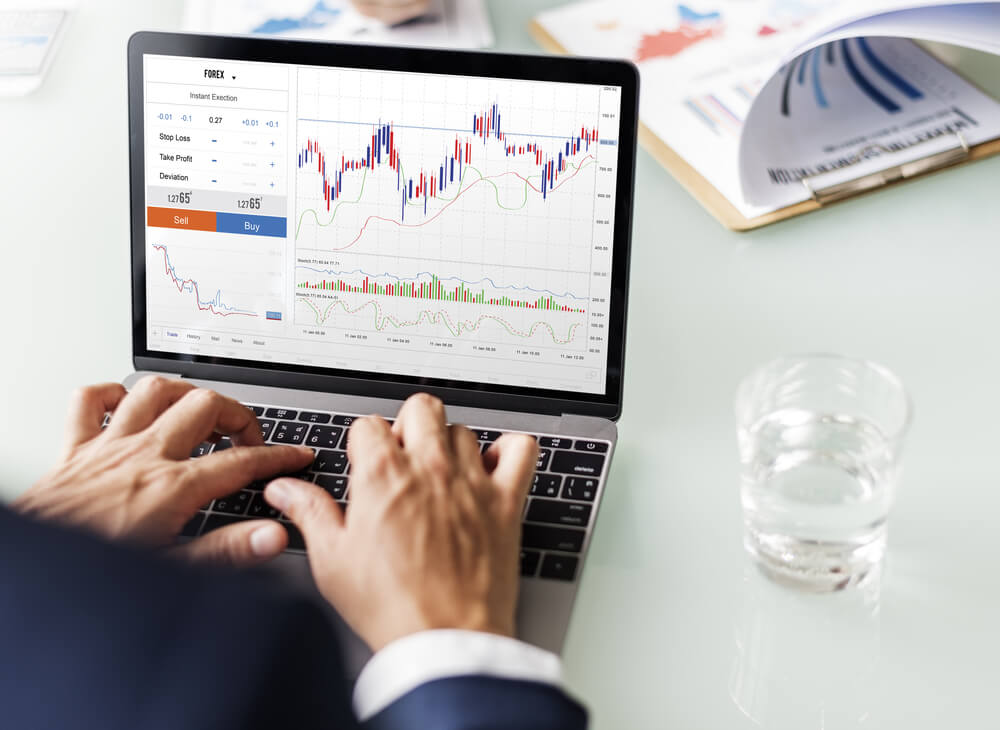
Copy Trading: A Hands-Off Approach to Signals
Copy trading is a form of signal-based trading where you automatically replicate another trader’s strategy. Instead of following individual trade recommendations, you subscribe to a trader whose strategy (trading transactions) are then copied to your account.
Pros:
- Earn potential profits while learning from experienced traders.
- Diversify your portfolio by following multiple strategies at once.
Cons:
- You rely entirely on another trader’s decisions.
- If the provider experiences losses, so do you.
If you choose to use copy trading, always review the provider’s strategy, past performance, and risk level. AMarkets’ Copy Trading service allows you to analyze the rankings and select a strategy that suits your goals.

How to Use Trading Signals Effectively
Trading signals can be a valuable tool, but they shouldn’t be blindly followed. Think of them as helpful hints, not guarantees of profit. To use trading signals effectively, you need to combine them with your own analysis and sound trading practices. Here’s how:
- Perform your own market analysis: A signal is just a suggestion. Before acting on it, take the time to analyze the market yourself. Do the market conditions support the recommendation? Are there any upcoming economic news releases that could impact the trade? Double-check the charts to ensure there are no conflicting signals. This extra step can help you filter out potentially bad trades.
- Evaluate price levels: Support and resistance levels are crucial in trading. Consider where the price is in relation to these key zones. If a signal suggests buying near a resistance level, you might want to wait for a breakout confirmation. Conversely, a sell signal near a support level could indicate a potential breakdown. Thinking about these scenarios helps you make more informed decisions.
- Test signals before using real funds: Trying out a new signal service? Don’t jump in with your entire trading capital. Start with a demo account or a very small amount of real money. This allows you to track the signal’s performance over time. How often are the signals accurate? Do the winning trades outweigh the losing ones? This testing phase is essential for evaluating the signal’s reliability.
- Practice risk management: No matter how good a signal looks, never risk more than you can afford to lose on a single trade. Even the best signals can be wrong. Always use stop-loss orders to limit potential losses and size your trades appropriately. Proper risk management is paramount to protecting your capital.
- Act quickly: Trading signals are often most effective for short-term trades where timing is critical. A delay in executing a trade can significantly impact your potential profits or increase your risk. When a signal aligns with your analysis, be prepared to act promptly.
Conclusion
Trading signals can significantly ease decision-making, especially for those new to financial markets or trading in time-sensitive situations, helping to identify trading opportunities and save time on analysis. However, they should always be used alongside your own research and proper risk management. Remember, no signal guarantees success – what matters most is a well-balanced trading approach that prioritizes informed decision-making and capital protection.