


Financial markets are constantly changing. A strategy that worked yesterday might not work today, especially in the fast-moving Forex market, where small shifts can lead to big consequences.
So how can you tell when your trusted trading system no longer fits today’s market conditions? And when is it time to update or even replace it? Let’s look at the main warning signs that your strategy may be outdated, and how to evaluate whether it still works.
Article content
Sign #1: Consistent Drop in Performance
The clearest sign your system is becoming outdated is a steady decline in trading results. If your once-reliable strategy keeps underperforming or missing targets, that’s a serious warning. The problem may be caused by changes in currency behavior, volatility levels, or trading sessions your system was built around.
Everyone experiences short-term losses now and then but if performance keeps slipping for several months or more, it’s time to take a closer look.

Sign #2: Changing Market Conditions
The Forex market reacts to global events. Crises like the COVID-19 pandemic, economic downturns, or policy changes by major central banks can change the way markets behave. A strategy that worked well in calm conditions might fall apart during sudden price swings.
If currency pairs start moving in new ways and your system still relies on old patterns, it likely needs to be updated.
Sign #3: Indicators Aren’t Working Like They Used To
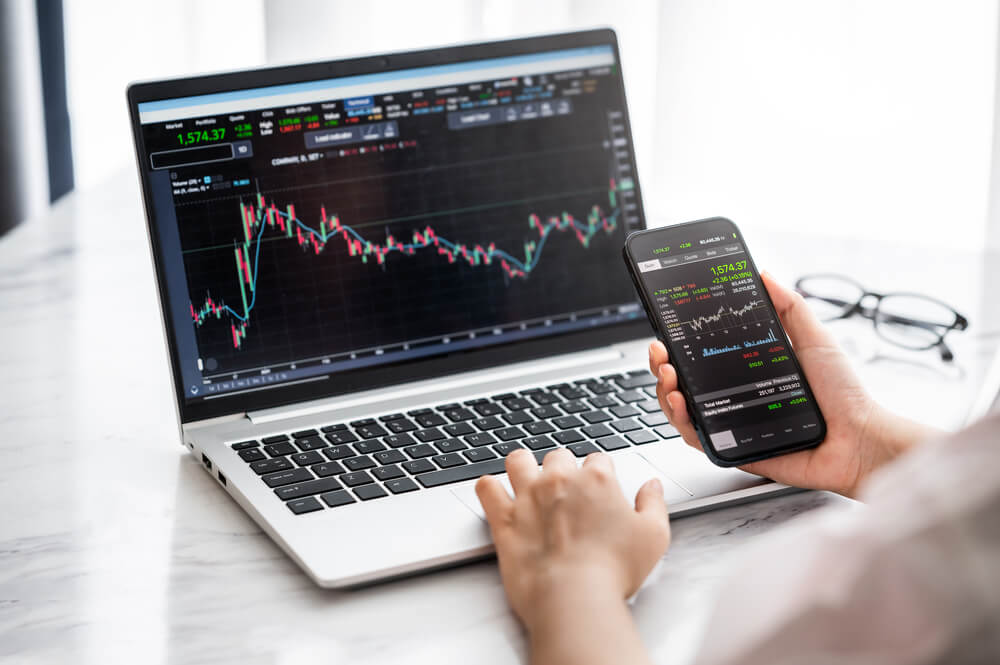
Most Forex strategies rely on technical indicators. But over time, tools that once delivered reliable signals can start producing false or confusing ones. For example, indicators like moving averages or stochastic oscillators may suddenly become less effective.
This decline can be temporary or long-lasting. The most common cause is a shift in the market — such as greater influence from fundamental factors or changes in collective trader behavior. When the market becomes oversaturated with technical strategies, participants begin to adapt, which alters how prices respond to familiar signals.
Sign #4: Falling Behind on Technology
Forex trading isn’t just about knowledge — it’s also about technology. If your trading system doesn’t incorporate modern tools like automation, advanced analytics platforms, or, soon, neural networks and artificial intelligence, staying competitive becomes increasingly difficult.
Traders who actively adopt machine learning and AI will gain a significant edge by improving both the accuracy of their forecasts and the efficiency of their trades. If your system still relies entirely on manual analysis and fails to evolve with technology, its ability to compete in today’s market will quickly decline.
Sign #5: Your Strategy Can’t Adapt
Markets today are fast-moving and unpredictable. A trading system needs to be flexible enough to keep up. A system that can’t adjust quickly to changing conditions and continues to rely on outdated methods is likely to see a gradual decline in performance. If your strategy is static and doesn’t include regular reviews of its rules and parameters, you risk overlooking critical market shifts — and potentially losing money.
The inability to promptly update analytical approaches and trading methods is a clear sign that your system no longer meets the demands of today’s market environment.

What to Do If Your Strategy Is Outdated
Don’t worry — an outdated system isn’t a failure. It’s a natural part of the learning process. As markets evolve, your strategies should too.
Here’s what to do next:
- Review your current system: Find out what’s causing the decline in performance.
- Upgrade your tools: Add automation, better analytics, or algorithmic features.
- Keep learning: Study new techniques that combine technical and fundamental analysis.
- Diversify: Use more than one strategy to avoid relying on just one approach.
Final Thoughts
No trading system is perfect. If your strategy feels outdated, don’t panic. It just means you’ve outgrown it and are ready for the next step in your trading journey. Professional trading is all about getting better and adapting all the time.
In fact, an old strategy pushes traders to try new things. It encourages you to explore new methods and technologies, which helps you build more skill and find greater financial success. In trading, the real goal isn’t to stay where you are — it’s to keep evolving and moving forward.